General education · Your professional care and personal circumstances come first.
Start with yesterday’s meals
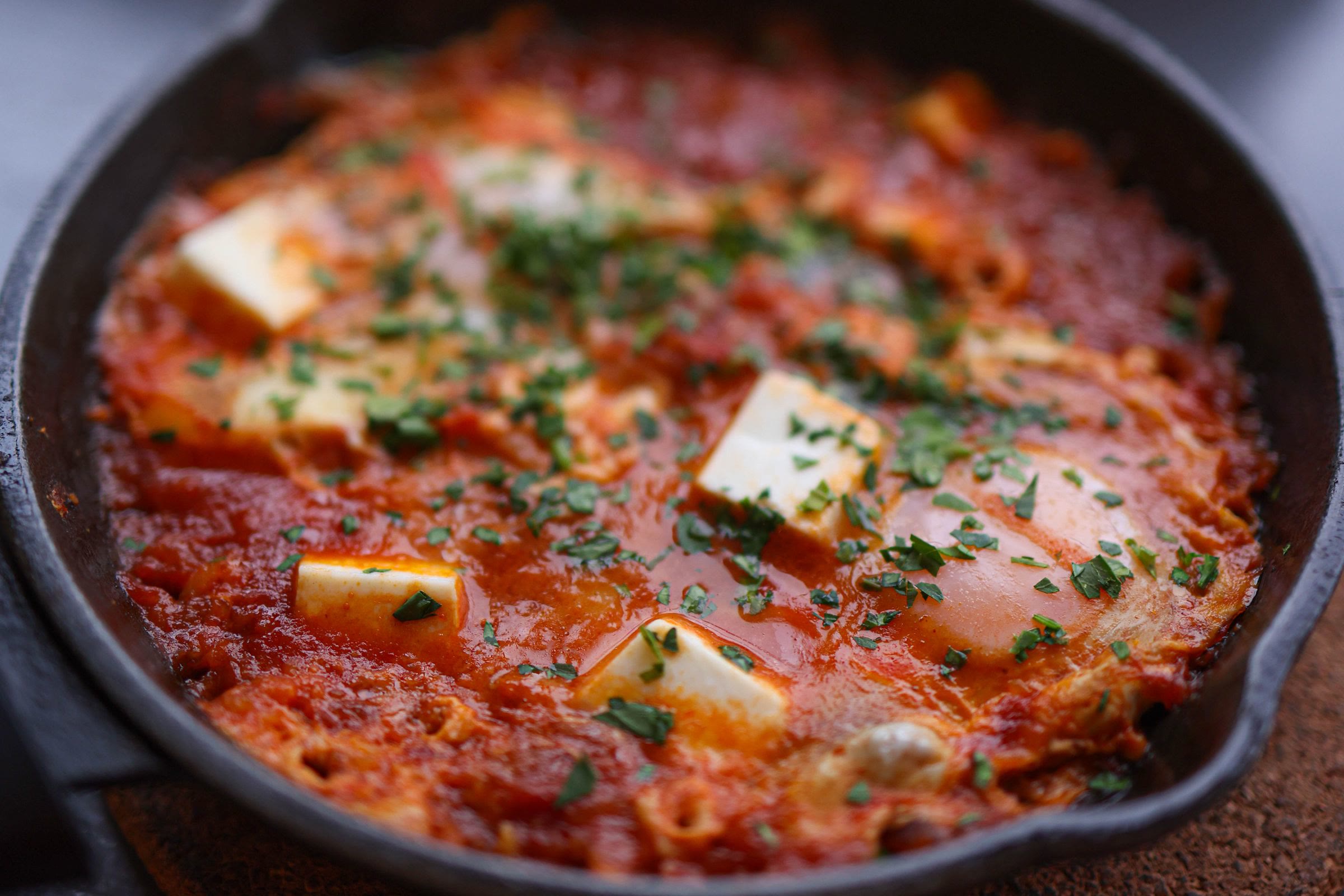
Before buying the tub with the word PROTEIN across the front, look at what was on your table yesterday. Think back to breakfast, lunch and dinner. Maybe there was labneh with bread, lentils at lunch and chicken at dinner. Those all contribute protein. Beans, chickpeas, eggs, dairy, soy foods, fish, poultry, nuts and seeds can all have a place, depending on what you eat.
How much is enough?
The American Heart Association cites the general adult reference intake of 0.8 grams per kilogram of body weight per day. For a 70 kg adult that works out to 56 grams of protein from all foods combined. Use that arithmetic as context rather than a personal target.
Age, pregnancy, training, recovery and medical conditions can affect needs. The weight of a food and the amount of protein it contains are different. If you want to estimate your intake, use the protein amount listed for the portion you actually eat.
Build from a meal you already like
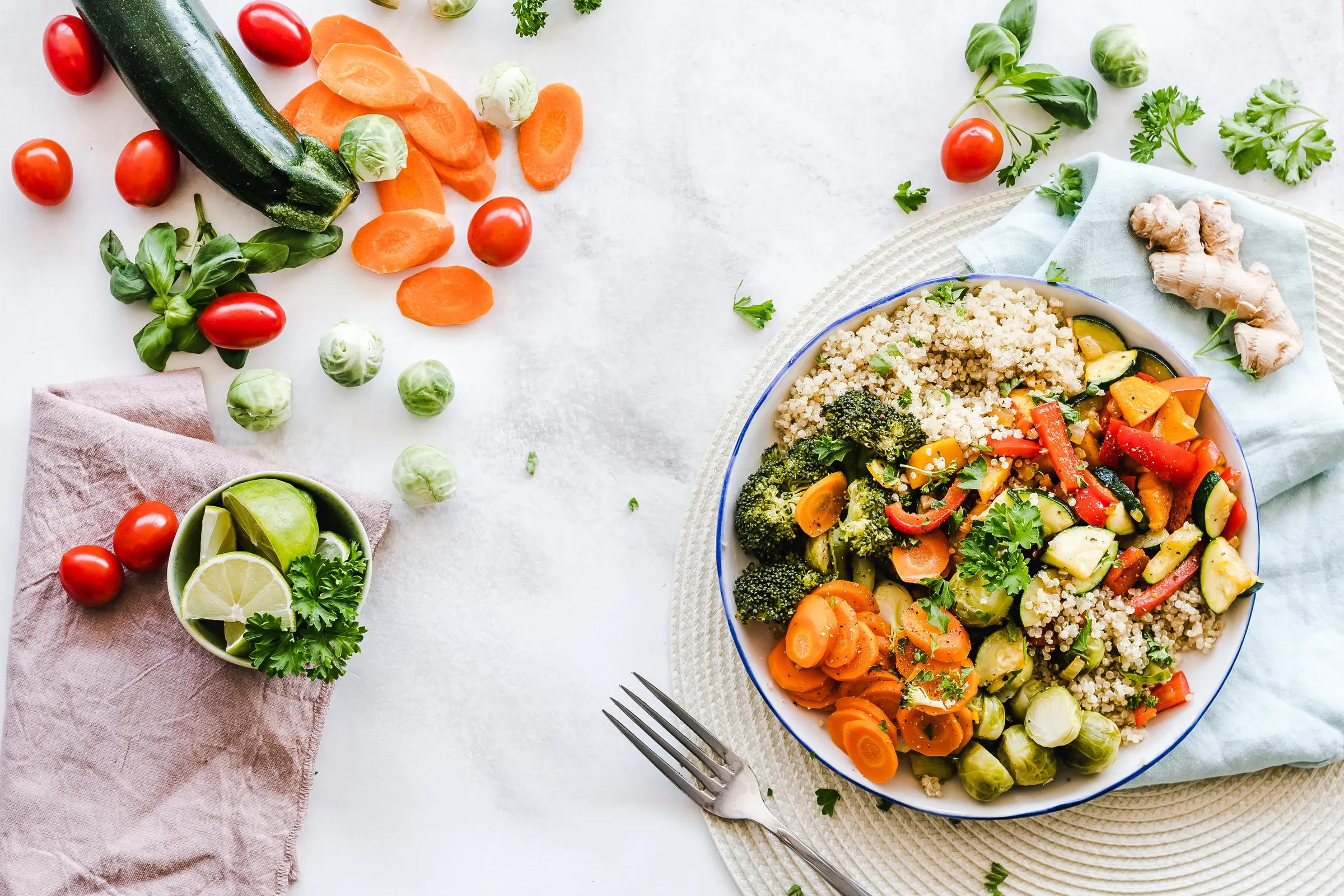
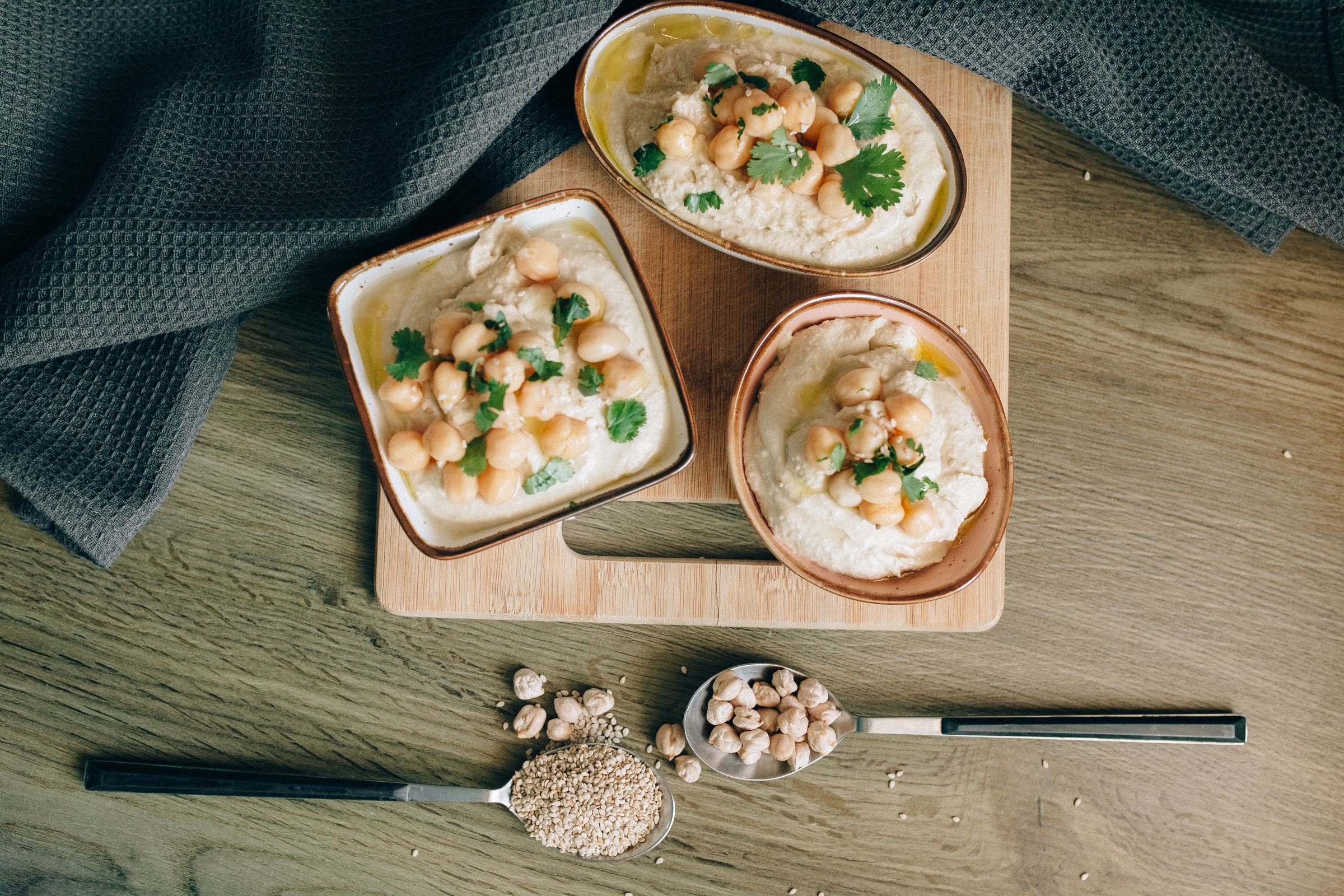
Stir lentils into soup, add chickpeas to a grain bowl, or have plain yoghurt with oats. A favourite stew could include beans, fish, tofu or chicken. Frozen edamame, tinned beans and eggs are useful options when there is little time to cook.
Look at what the whole meal offers. Beans bring fibre, and plain yoghurt brings calcium. If you regularly eat processed meats, try replacing some with beans, fish or another option you enjoy.
Three meals, three simple additions
- Breakfast
- Oats with plain yoghurt and nuts.
- Lunch
- Rice, chopped vegetables and chickpeas.
- Dinner
- Vegetable soup with lentils, or a side of fish.
Get tailored advice when the usual guidance does not fit
Speak with a registered dietitian if you are losing weight without intending to, struggling to eat enough, or managing a condition that affects nutrition. With chronic kidney disease, appropriate protein intake depends on your circumstances and may change if you start dialysis. Ask your care team before adding protein powders or changing a prescribed diet.
A small checklist to keep
- Look at a typical day before buying supplements.
- Keep one easy protein food on hand.
- Ask for tailored advice if your needs have changed.
Read the sources
Sources support the relevant educational points. They do not endorse Afiyah or validate its product outcomes.
American Heart Association: Protein and heart health NIDDK: Eating with chronic kidney diseaseWas this story useful?
Your feedback helps us make the next read better.
You can change or remove your choice at any time.
Make the next step feel more connected.
Explore how records, personal wellness, Moments and Sanad fit together around you.
Explore Afiyah