
General education · Your professional care and personal circumstances come first.
Start where dinner already happens
The plan looks excellent on Monday. By Thursday it requires different groceries, another meal for the family and more time than the evening contains. You return to the food you know and decide you have failed.
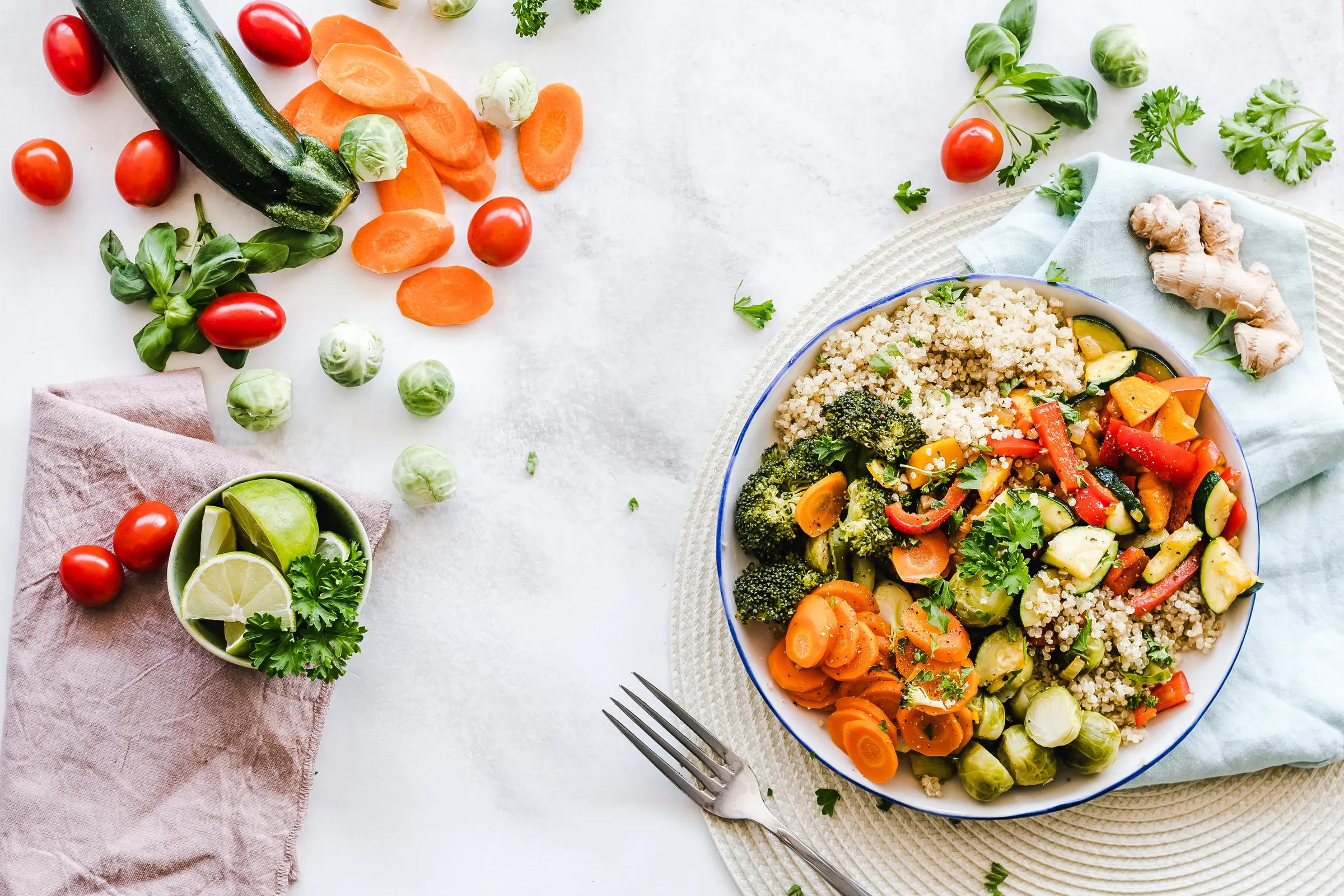
A more useful beginning is the meal you already make. Rice with chicken, lentils with bread, beans and vegetables, a stew shared at the table: familiar food can be the starting material. You are looking for adjustments that fit your budget, culture, appetite and household.
Keep the meal. Review the balance.
Choose one regular meal and describe it without calling any part good or bad. What is the main food? Where are the vegetables or fruit? What provides protein? How are oils, sauces and drinks usually served? This is a description, not a confession.
One possible adjustment is adding a vegetable side you enjoy while serving the other components deliberately. Another is noticing how much oil goes into a familiar recipe or choosing water more often in place of a sugary drink. These are examples to consider, not a personal eating prescription.
NIDDK guidance emphasizes a nutritious eating pattern and portions that fit your needs. There is no need to ban rice, bread or a cultural staple because a diet post has called it a problem. The overall pattern, amount and your circumstances matter more than a dramatic rule about one ingredient.
Build on a meal you already enjoy
- Keep
- A familiar staple and flavours you enjoy.
- Add
- Vegetables, beans or another suitable nutritious component.
- Review
- Portions, cooking extras and drinks.
Give portions something concrete to work with
Try serving food onto a plate rather than eating from the package or adding to a bowl without noticing. If you use food labels, remember that the listed serving size describes the nutrition information; it is not automatically the amount your body needs.
You might begin with your usual meal and notice whether the first portion leaves you comfortably satisfied. Give yourself time to eat and decide whether you want more. Avoid turning hunger into a test of discipline. If reducing portions leaves you persistently hungry, weak or preoccupied with food, the approach needs reviewing.
People taking medicines that affect blood glucose, those with medical dietary needs, pregnant people and anyone with an eating disorder history need individual advice. This article is for general adult understanding, not a plan for children or a substitute for a clinician or dietitian.
Let movement belong to the life you have
Choose activity that suits your abilities and care advice. A suitable walk, active travel or a manageable activity at home may fit more easily than a demanding programme you dread. A small repeatable opportunity gives you something to build on.
Think about the environment as well as motivation. Can you keep a useful ingredient available? Is there a convenient place for a short walk? Can someone share preparation? A habit becomes easier to revisit when the practical arrangements support it.
Track a direction without shrinking your life to a number
Review the habits you chose: what happened, what was satisfying and what was difficult to repeat? If weighing yourself is appropriate and helpful, look at a longer pattern under reasonably similar conditions rather than reacting to every fluctuation. You can also notice energy, strength and how manageable the routine feels.
Weight is influenced by more than effort, including health conditions, medicines, sleep and circumstances. Seek advice for unexplained weight change, persistent difficulties or a plan that is making eating stressful. You do not need a separate identity as a “diet person.” Start with a meal you recognize and one change you can still imagine using next month.
A small checklist to keep
- Choose one ordinary meal to review first.
- Add balance and notice portions without banning a staple.
- Find movement that fits your abilities and care advice.
- Review sustainability and seek individual dietary support when needed.
Read the sources
Sources support the relevant educational points. They do not endorse Afiyah or validate its product outcomes.
NIDDK: health tips for adults NIDDK: factors affecting weight and healthWas this story useful?
Your feedback helps us make the next read better.
You can change or remove your choice at any time.
Make the next step feel more connected.
Explore how records, personal wellness, Moments and Sanad fit together around you.
Explore Afiyah