
General education · Your professional care and personal circumstances come first.
Follow your eyes and hands
The meeting ends, and the first thing you do is roll your shoulders. By mid-afternoon your laptop has drifted to one side, your chin is forward and your mouse hand is reaching across the desk. Take a moment to notice where your work makes you look and reach. You can often make the next hour more comfortable with a few changes.
Bring the work closer
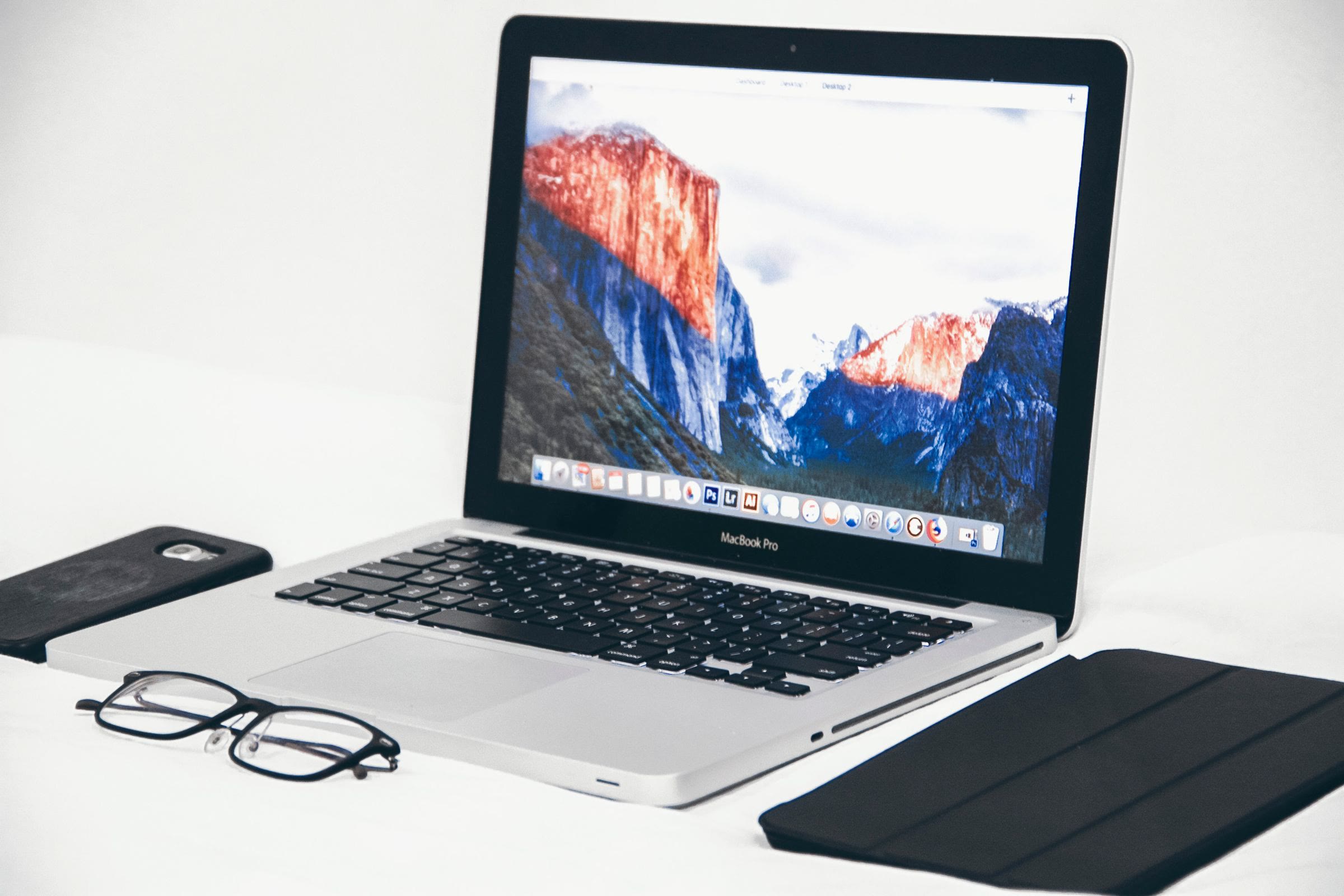
Place your main screen in front of you and raise it so the top is at or slightly below eye level. Make the text larger if you lean forward to read. Bring your keyboard and mouse within easy reach, rest your feet on a stable surface and adjust your seat so your shoulders can relax.
If you raise a laptop for regular desk use, an external keyboard and mouse can let you keep the screen high and your hands lower. For phone reading, bring the device a little closer to eye level and support your arms when you can.
A quick desk check
- Eyes
- Read the screen without tipping your head or leaning in.
- Arms
- Keep the keyboard and mouse within easy reach.
- Feet
- Rest them flat on the floor or on a footrest.
Build movement into the day
Change position regularly. Stand up when a meeting ends, walk for a refill or move gently within a comfortable range. A recurring break tied to something you already do may be easier to remember than another reminder on your screen.
Try one adjustment at a time. If raising the screen helps you sit comfortably but makes the keyboard awkward, change the keyboard position too. A setup that works in the morning should also let you move easily later in the day.
Get help when the pattern changes
Arrange an assessment if pain persists for a few weeks, interferes with daily life or comes with tingling or numbness in an arm. Seek urgent medical care for sudden weakness, trouble walking or severe pain after a significant injury.
A small checklist to keep
- Centre your main screen.
- Attach a movement break to a natural pause.
- Seek assessment if symptoms persist or spread into an arm.
Read the sources
Sources support the relevant educational points. They do not endorse Afiyah or validate its product outcomes.
OSHA: Setting up a computer monitor NHS: Neck pain University Hospitals Sussex: Acute neck pain and when to get helpWas this story useful?
Your feedback helps us make the next read better.
You can change or remove your choice at any time.
Make the next step feel more connected.
Explore how records, personal wellness, Moments and Sanad fit together around you.
Explore Afiyah