General education · Your professional care and personal circumstances come first.
A useful starting point
You finish the same bottle at your desk on Monday and on a long walk on Saturday. Did it meet the same need? A daily guide can help you get started, but your day tells you how to adjust it. The NHS suggests six to eight cups or glasses of fluid a day as a general guide. Water is an easy default. Tea, coffee and milk can contribute too, and food provides some water. Your needs can shift with the weather, how active you are, pregnancy, breastfeeding and illness.
A rough everyday clue is whether your urine is usually pale yellow. Thirst, darker urine and urinating less often can suggest you need more fluids. If you have been told to limit fluids because of a health condition, follow the advice from your care team.
When the temperature rises
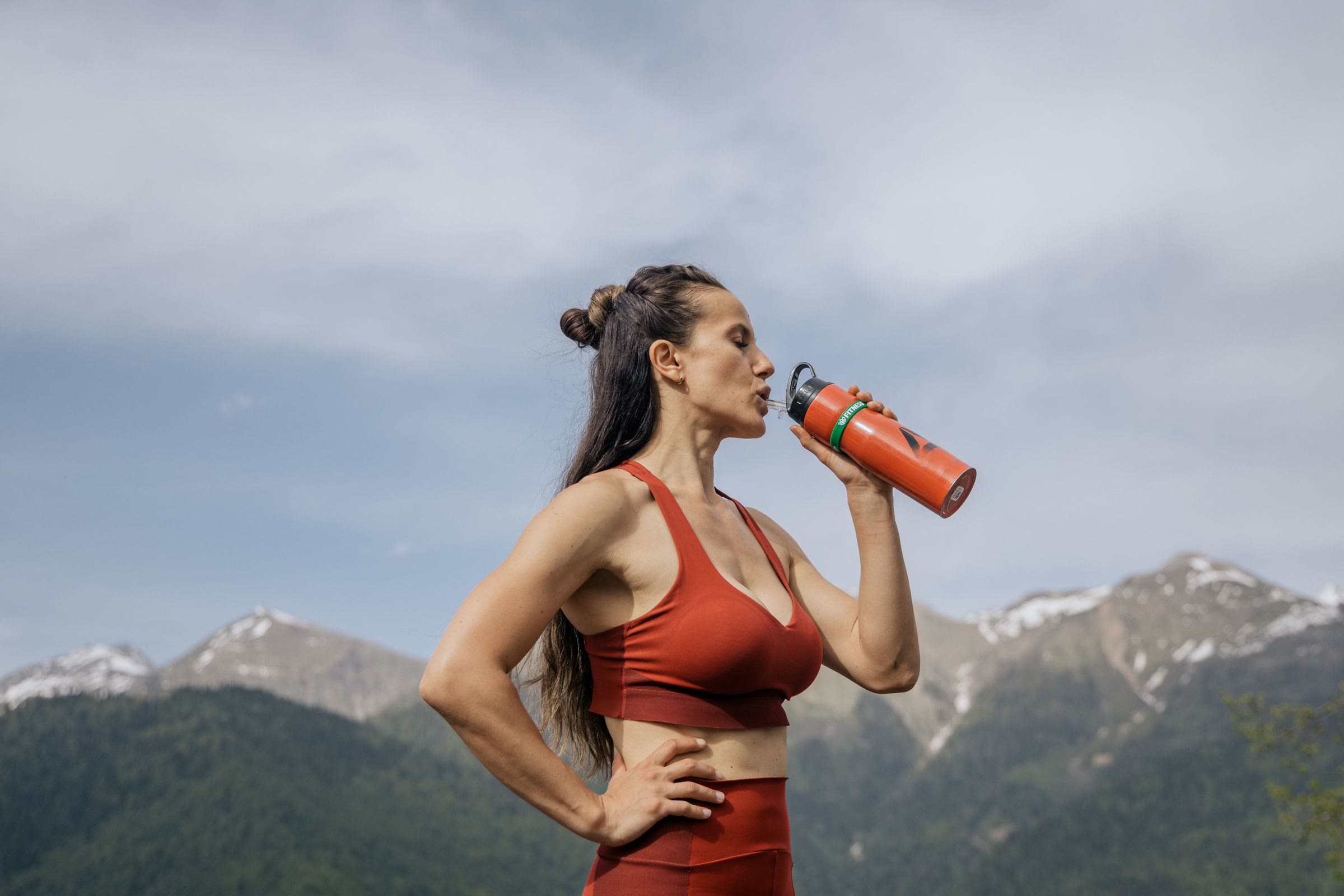
A cool morning at a desk and a long afternoon outdoors call for different plans. Bring a refillable bottle, know where you can top it up and drink regularly during activity. On especially hot days, choose a cooler time to exercise and take breaks in the shade or indoors.
If you feel dizzy, weak or sick in the heat, stop, move somewhere cool and start cooling down. Confusion, a seizure, loss of consciousness or suspected heatstroke needs emergency help.
Make drinking part of a day you already have
Put a glass beside breakfast. Refill your bottle before leaving home. Have a drink when you take a break. Pick the cue you are most likely to notice and start there. If plain water gets boring, try chilled water or add a slice of citrus.
At the end of a few days, ask where drinking was easiest and where you kept forgetting. For a busy shift, a reliable refill break may help more than carrying a bigger bottle.
Three times to make water easy to reach
- With a meal
- Put a glass on the table as you set it.
- Before going out
- Fill a bottle and check where you can refill it.
- After activity
- Pause somewhere cool and have a drink.
When to ask for advice
Seek medical advice for persistent dizziness on standing, very low urine output or difficulty keeping fluids down. Mention any fluid limits, medicines or recent illness. If you are unusually thirsty or notice a sustained change in how often you urinate, ask a healthcare professional to review it.
A small checklist to keep
- Pick one regular cue to have a drink.
- Plan refills for heat and longer activity.
- Follow any fluid advice from your care team.
Read the sources
Sources support the relevant educational points. They do not endorse Afiyah or validate its product outcomes.
NHS: Water, drinks and hydration NHS: Dehydration NHS: Heat exhaustion and heatstrokeWas this story useful?
Your feedback helps us make the next read better.
You can change or remove your choice at any time.
Make the next step feel more connected.
Explore how records, personal wellness, Moments and Sanad fit together around you.
Explore Afiyah