
General education · Your professional care and personal circumstances come first.
Ask what you need from the nap
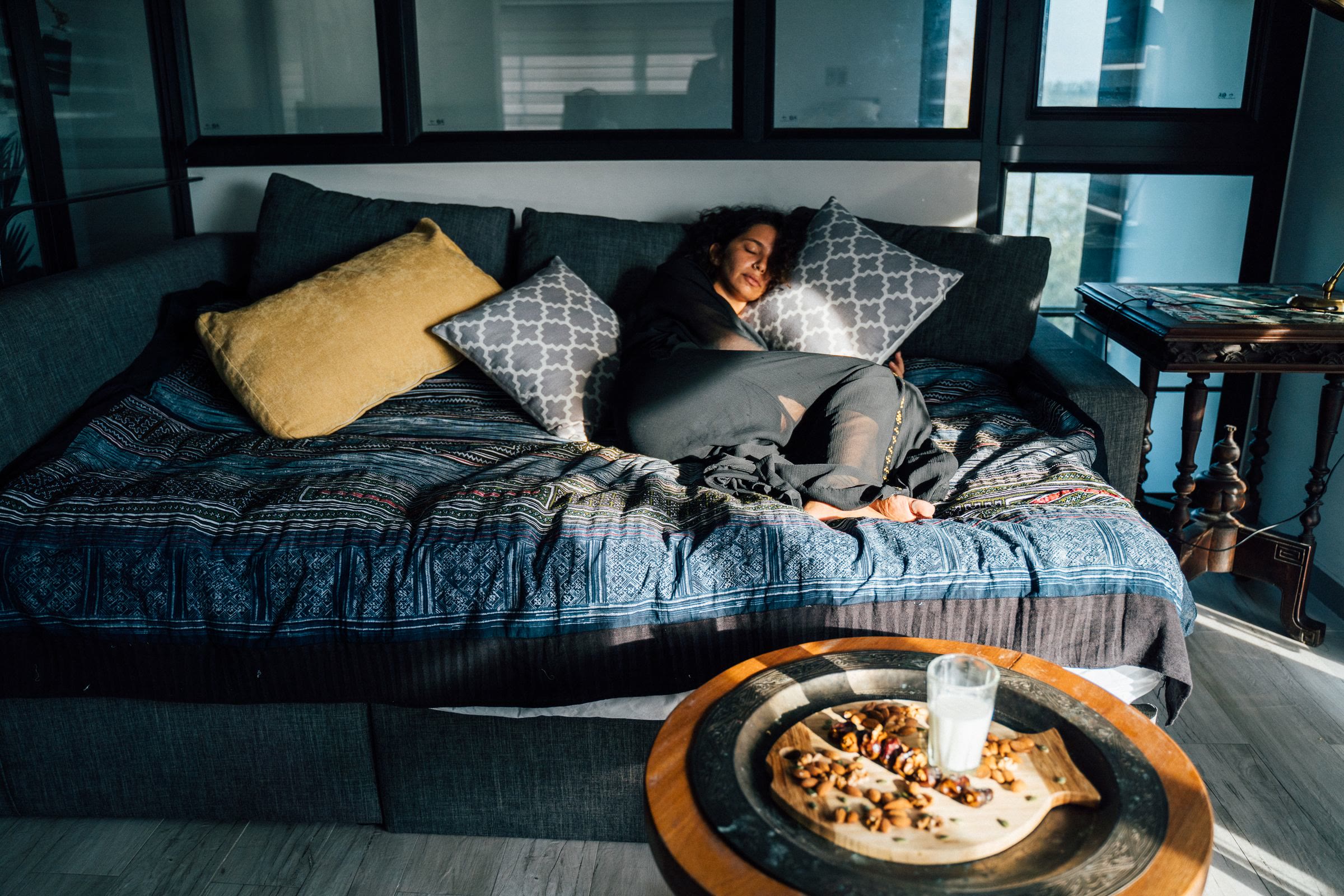
At two in the afternoon you are reading the same sentence again. At eleven that night you want to be asleep, too. A good nap has to fit both moments. A short nap can help some adults feel more alert. The experience depends on timing, duration and how you have been sleeping. Decide whether you want a brief lift or are trying to get through a pattern of constant sleepiness.
Try an early, short nap
Mayo Clinic suggests aiming for about 20 to 30 minutes for a planned nap. A longer nap can leave you groggy, and a late nap can make nighttime sleep harder. For a typical daytime schedule, try early afternoon. If you work shifts, use the timing of your main sleep period as a guide.
Pick a quiet spot, set an alarm and allow a little time to feel fully awake before returning to work. Avoid driving or other safety-critical activities while drowsy.
Let your night tell you how it went
Over a few days, note the nap time, roughly how long you slept, how you felt on waking and whether falling asleep that night was harder. If you feel groggy or bedtime keeps drifting, move the nap earlier, shorten it or try a quiet break instead.
A nap can serve a purpose on a particular day. For ongoing tiredness, it is worth looking at how much sleep you get at night and whether it feels restorative.
What to note after a nap
- Before
- When did I lie down, and what did I need from the rest?
- After
- Did I feel more alert or groggy?
- At bedtime
- Was it harder to fall asleep than usual?
When daytime sleepiness deserves a closer look
Speak with a clinician if you often fall asleep unintentionally, sleepiness affects your work or daily life, or you regularly need naps despite getting enough time in bed. Mention loud snoring, witnessed pauses in breathing or medication changes if relevant. If you are sleepy at the wheel, stop somewhere safe and arrange another way to travel.
A small checklist to keep
- Try 20 to 30 minutes early in the afternoon.
- Leave time to wake up before demanding tasks.
- Get frequent or disruptive daytime sleepiness assessed.
Read the sources
Sources support the relevant educational points. They do not endorse Afiyah or validate its product outcomes.
Mayo Clinic: Napping for healthy adults NHS: Excessive daytime sleepinessWas this story useful?
Your feedback helps us make the next read better.
You can change or remove your choice at any time.
Make the next step feel more connected.
Explore how records, personal wellness, Moments and Sanad fit together around you.
Explore Afiyah