General education · Your professional care and personal circumstances come first.
What the two numbers tell you
Blood pressure is the force of blood against artery walls. Systolic pressure, the top number, measures that force when the heart beats. Diastolic pressure, the bottom number, measures it between beats. Both are measured in millimetres of mercury, or mm Hg.
A rushed morning, recent exercise or a poorly fitted cuff can change the reading. Your clinician considers a pattern, where it was measured and your health history when assessing high blood pressure. Ask what your home target is and how often they want you to check.
Set up a reliable home check
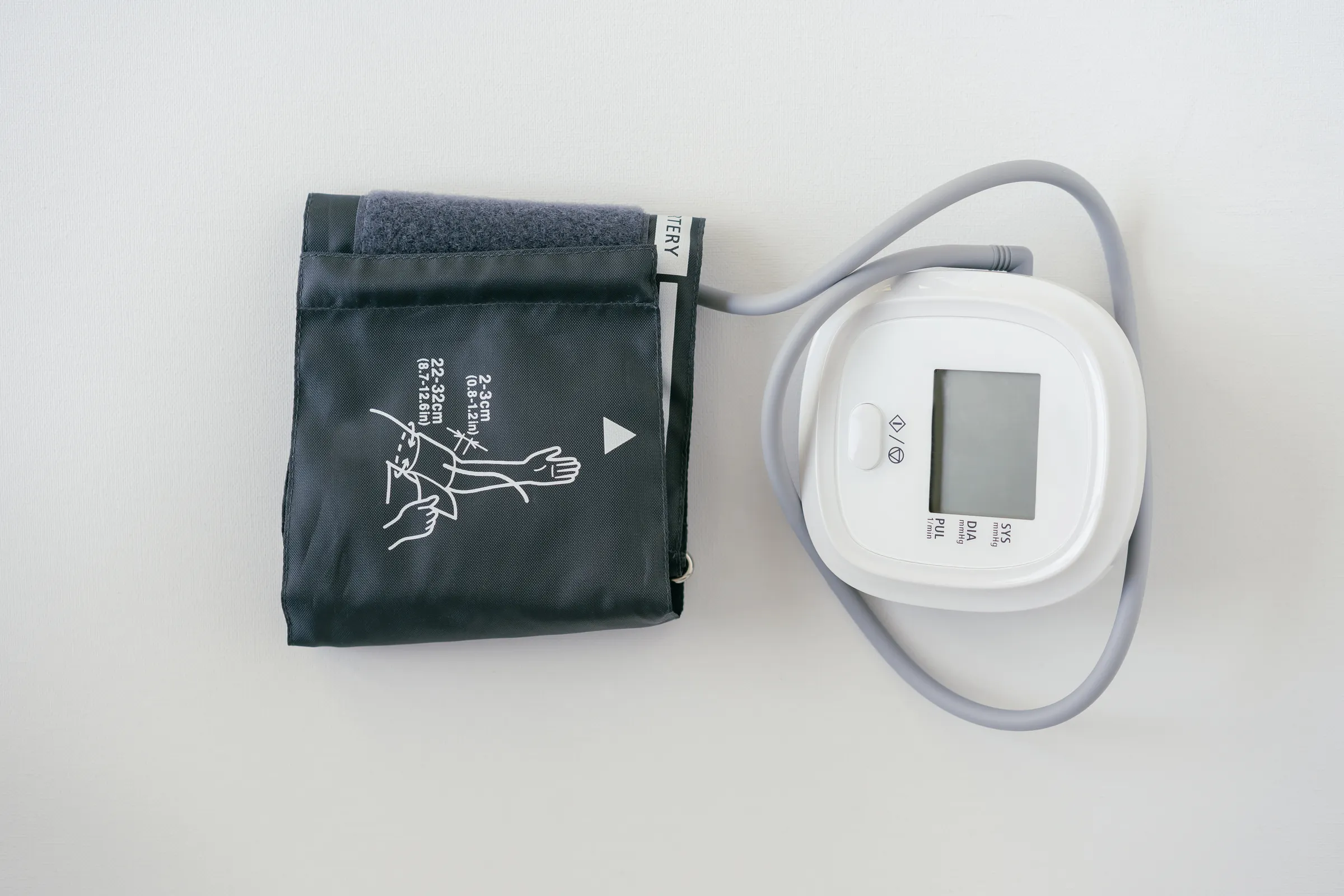
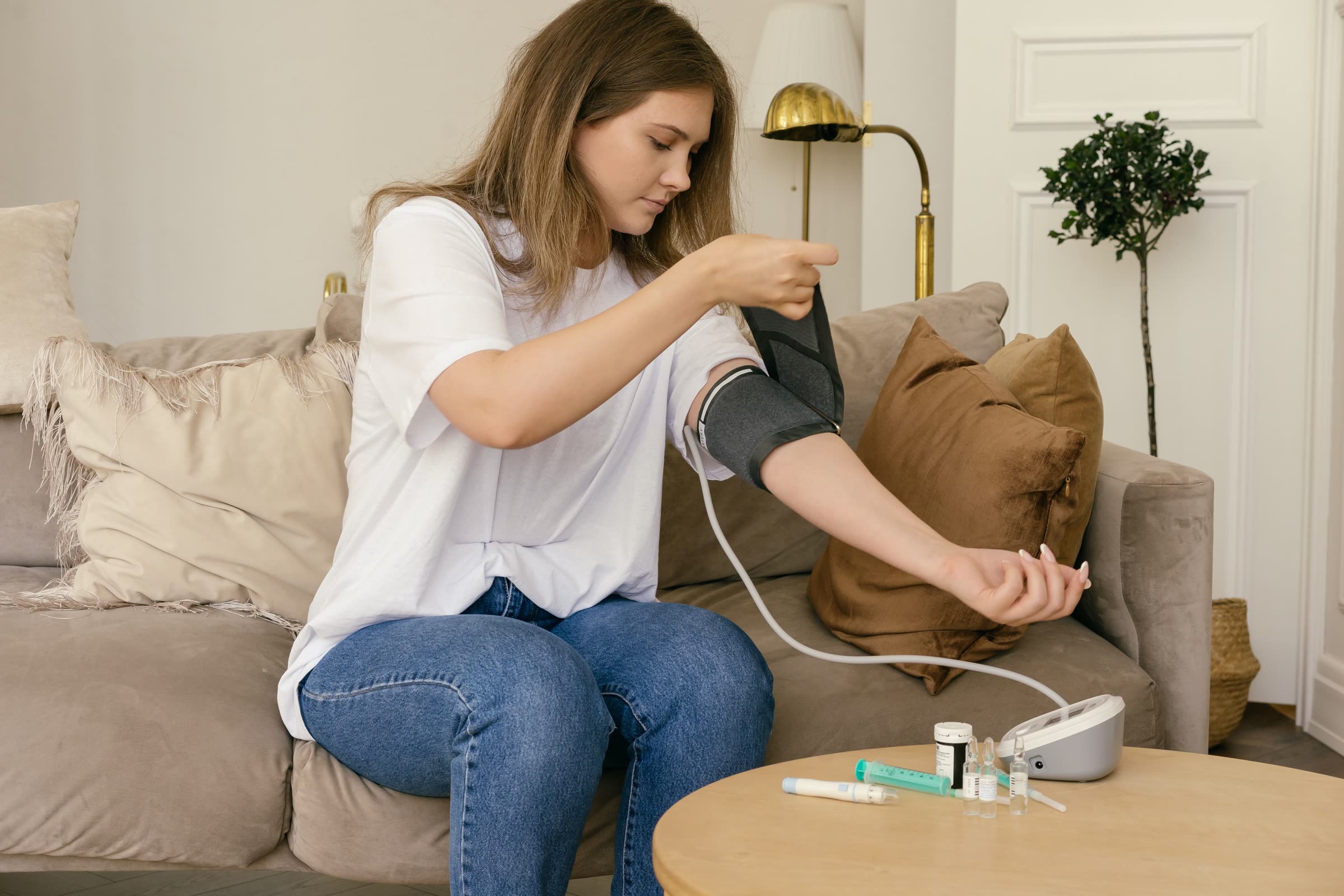
Use a validated upper-arm monitor with a cuff that fits. For 30 minutes beforehand, avoid caffeine, smoking and exercise. Empty your bladder, then sit quietly for at least five minutes. Keep your back supported, feet flat, legs uncrossed and arm supported at heart level. Put the cuff on bare skin and sit still without talking.
Take two readings one minute apart and record both. Use similar conditions each time. If your care team asks for a series over several days, follow their schedule and bring the readings and, if possible, your monitor to the appointment.
Your home blood pressure checklist
- Before
- Check cuff fit. Sit quietly for five minutes with your feet flat.
- During
- Keep your arm at heart level. Take two readings one minute apart.
- After
- Record the date, time and both readings. Add symptoms or anything unusual.
Start with one habit you can repeat
If salty foods are a daily fixture, start with one meal. Compare sodium on labels, choose lower-sodium versions of foods such as bread, cheese or canned beans, and use lemon, herbs or spices when you cook. A DASH-style eating pattern makes room for vegetables, fruit, pulses, whole grains and other foods that fit your kitchen.
If movement has been hard to fit in, add a short walk after a meal or plan an indoor walk when it is too hot outside. Build up gradually at a pace that feels manageable. Limiting alcohol, if you drink, can also help. If you take prescribed blood pressure medication, keep taking it as directed and discuss any changes with your clinician.
When a high reading needs help
If readings are repeatedly above your agreed target, contact your care team. If the top number is over 180 or the bottom number is over 120 and you have chest pain, shortness of breath, weakness, numbness, vision changes or trouble speaking, call your local emergency number immediately. If you have no such symptoms, wait at least a minute, measure again and contact a healthcare professional immediately if it remains that high.
During pregnancy or after giving birth, follow your maternity team’s thresholds and instructions. If you have a severe headache or vision changes, seek urgent maternity advice.
A small checklist to keep
- Check your monitor and technique with your care team.
- Choose one change you can repeat for the next week.
- Share your readings if they stay above your agreed target.
Read the sources
Sources support the relevant educational points. They do not endorse Afiyah or validate its product outcomes.
American Heart Association · Home blood pressure monitoring American Heart Association · Managing high blood pressure NHS · Pre-eclampsia symptomsWas this story useful?
Your feedback helps us make the next read better.
You can change or remove your choice at any time.