
General education · Your professional care and personal circumstances come first.
Start with the life you want to keep living
Carrying groceries, getting up from a low chair, playing with grandchildren, walking to see friends. These often say more about what healthy ageing means to you than a number or a test. Pick an activity you value and notice which part has become harder. Think about strength to get up, balance on uneven ground and stamina to finish the walk. Each gives you a place to start.
Build strength and balance alongside walking
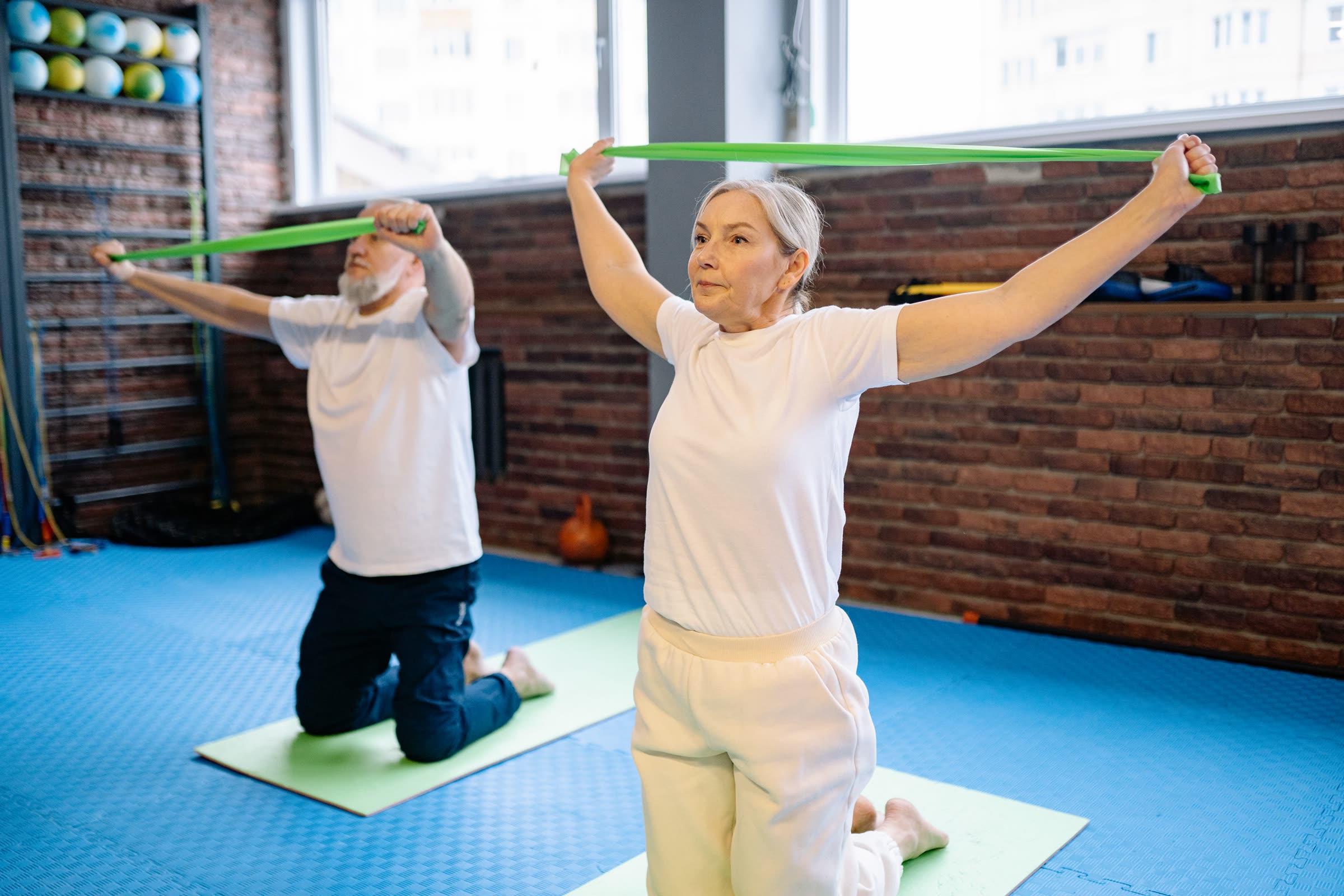
Walking supports fitness. Work your muscles as well, since they help with jobs such as rising from a chair and carrying things. Start with a movement that you can do safely, such as standing from a sturdy chair. Build up gradually. Public-health guidance for older adults includes muscle-strengthening on at least two days a week and regular activity that combines balance and strength. All movement counts, and you can build up from what is comfortable.
If you have fallen, feel unsteady, have new pain or are returning after an illness, ask a physiotherapist or healthcare professional about exercises that suit you.
Keep sleep and prevention in the plan
Make room for a regular sleep schedule and tell your clinician about persistent insomnia, loud snoring, gasping at night or unusual daytime sleepiness. Ask which vaccines, screening and hearing or vision checks fit your age, health history and local guidance. A medication review is a chance to discuss side effects, especially if you have been dizzy or have fallen.
Choose one appointment or check you have put off. Then give it a place in your calendar, just as you would make time for a walk or a strength session.
Three things to put in your week
- Strength
- Schedule two days of muscle-strengthening activity that suits you.
- Mobility
- Make time for a regular walk or other activity and a safe balance exercise.
- Prevention
- Check when your next medication, vision, hearing or preventive-care review is due.
Read longevity claims with care
Some studies test whether a drug, supplement or eating pattern changes a biological marker associated with ageing. A change in a marker does not tell us on its own whether people will live longer or stay independent. Ask what the study measured, how long it lasted and who took part. Evidence from animals or a short trial may point to a promising question without answering it for you.
The next useful measure may be close to home. Notice if getting up from your chair or walking your usual route feels easier a few weeks from now. Use what you observe to decide where to put your effort next.
A small checklist to keep
- Choose an everyday ability you want to protect.
- Start with safe movement and build gradually.
- Ask your care team what preventive checks are due.
Read the sources
Sources support the relevant educational points. They do not endorse Afiyah or validate its product outcomes.
National Institute on Aging · Tips to boost your health as you age WHO · Physical activity guidance National Institute on Aging · Research on calorie restriction and ageing markersWas this story useful?
Your feedback helps us make the next read better.
You can change or remove your choice at any time.