Your intelligent companion
Talk it through with Sanad
Ask in Arabic or English. Explore a health question, prepare an action and return to the conversation as your needs change.
Meet Sanad
 AfiyahHEALTH
Afiyah is a health and wellbeing app for you and your family. Bring records, lab results, medications, wellness plans and care together, with Sanad, your AI health companion, helping you understand what matters and follow through.
See how your health changes over time. Build routines around sleep, food, movement and mental wellbeing. Prepare appointments and keep follow-ups in view.
Sanad helps you stay ahead of the next step: a review that is due, a routine that needs adjusting or a reminder linked to your care plan. You decide what to share and approve the actions that matter.
Sanad explains and guides. Qualified professionals diagnose and treat.
Health, wellbeing and care
From an unfamiliar result to a routine you want to improve, find the support that fits what you need today.
Ask in Arabic or English. Explore a health question, prepare an action and return to the conversation as your needs change.
Meet Sanad
Keep reports and prescriptions together. Read a plain-language explanation, retain the original and prepare questions for your clinician.
Explore records and results
Explore clinic or video care, bring the relevant records and questions, and follow your request through provider confirmation.
Explore appointments
Turn goals for food, movement, sleep and stress into manageable actions, with a personal plan and short Afiyah Moments.
Explore wellness plans
Check in on your mood, energy and everyday pressures. Find a useful activity or prepare to ask for further support.
Explore wellbeing
Review readings, completed actions and how you have been feeling. Use the pattern to decide what to keep or adjust.
Explore your health view
Keep each person's records, goals and sharing permissions separate while helping with their care.
Explore family support
Bring supported device readings and home measurements alongside your routines, with dates and sources kept together.
Explore devices and vitals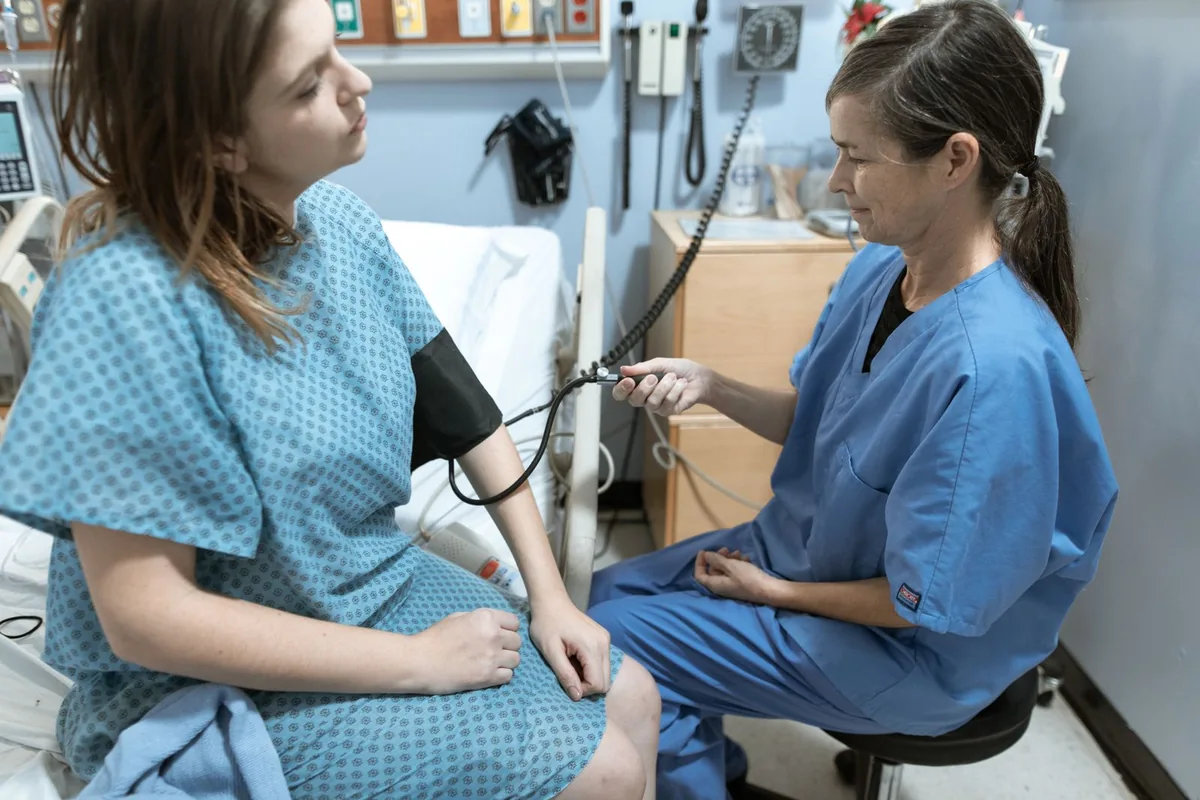
Your day, with Afiyah
A little support, through your day.
Choose a moment. Make it yours.
Your Health Overview
Understand your overall health and wellbeing through your medical readings, physical health, mental wellbeing, sleep, activity and nutrition. Your Health Overview brings them together so you can explore each area, follow changes over time and see what needs your attention.
Sanad helps you turn that understanding into practical steps towards the life you want to live: longer, healthier and happier.
Sample readings · fictional data
Select an area to explore
Choose an area to see its readings, what they mean for you and your next step with Sanad.

Health that supports the life you enjoy
Use what you learn about your health to make room for what matters: moving with confidence, feeling well and staying connected to the people you love.
Explore your wellbeingAfiyahYour next chapterReadings and reflections, together
A step that fits your day
Keep what helps; adjust what does not
Sanad in action
Watch Sanad connect a health report, a personal plan, care and follow-up in one conversation.
Concept film · Partner-dependent services
Connected services require verified integrations and your approval.
Ever opened your results… and wondered, what now?
Wouldn’t it help to have your care and wellbeing connected around you?
Afiyah introduces Sanad. Your healthcare and wellness companion.
Monday · Your new report
Sanad: Hey, Lina. Good to see you. Your report’s here. Want to have a look together?Monday · A lighter week ahead
Sanad: Hmm… ten minutes at lunch, and a busy week ahead. Your usual routine may be harder to keep. What if we make a lighter plan now?After your appointment
Lina: The appointment went well. I’ve got a prescription now.The next day · At home
Sanad: Morning, Lina. Your pharmacy has marked the delivery complete. Did everything arrive all right?Next week · Your chosen review
Sanad: Hey, Lina. How did that shorter routine go this week?Support that stays connected
Your report, care conversation, plan and follow-up belong together. Afiyah keeps each step connected so you can see what has happened and what comes next.

Read a clear explanation with the original report beside it. Prepare the questions you want to ask your clinician.
AfiyahYour health record
Your next step: a clearer care conversation

Bring agreed care instructions and everyday goals into a routine that fits your time, preferences and ability.
AfiyahYour daily plan
Draft plan · Yours to review

Keep the relevant report and questions together for a clinic or video appointment. Review what you want to share.
AfiyahYour visit preparation
Ready for your approval
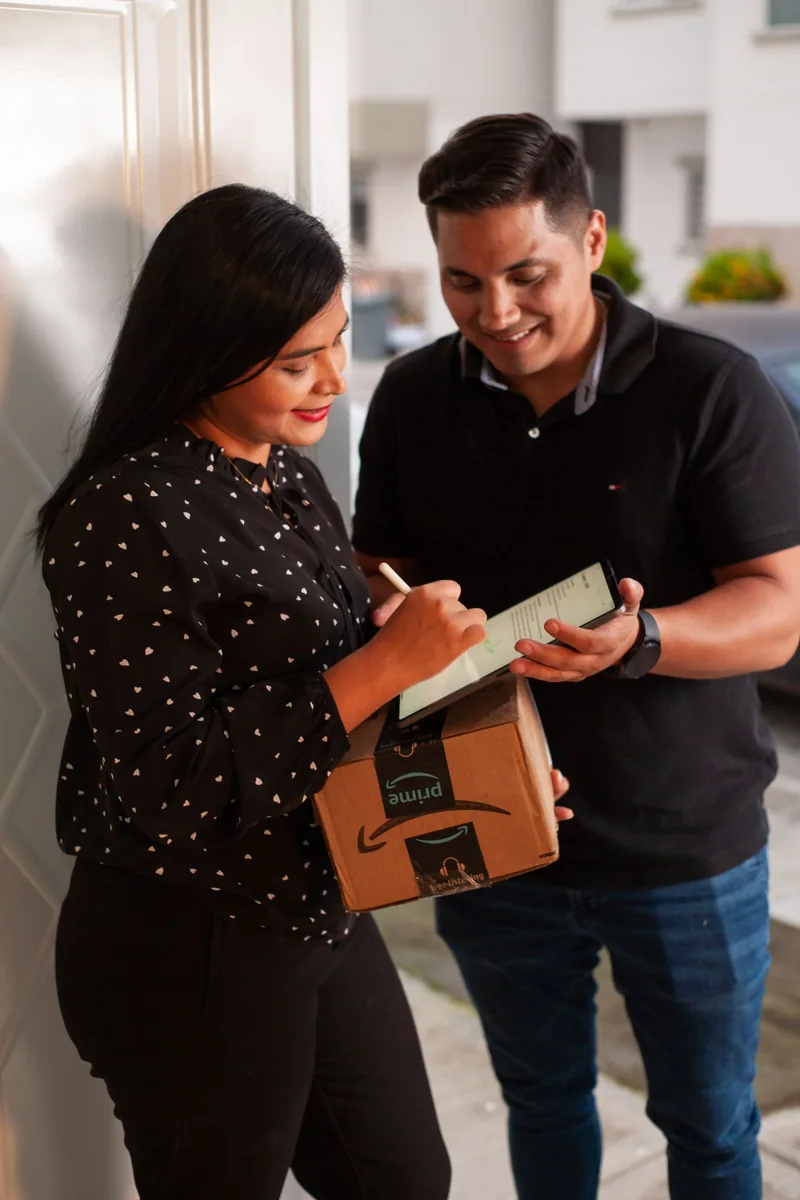
Follow an approved pharmacy request, its status and the reminders you choose, alongside the care plan.
AfiyahAfter your consultation
Your chosen reminder stays with the plan

Look at what you completed and how the week felt. Keep what works and adjust what does not.
AfiyahYour weekly review
More manageable
Keep or adjust the next step together
01 / 05Swipe to follow the journey
Care depends on participating partners and confirmed responses. Diagnosis and prescribing remain with qualified professionals.

Everyday support
A late meeting or a difficult morning can change your day. Sanad helps you review the routine, choose a smaller step and keep the goal in sight.
Explore personal plans“Can we make it fit my week?”
Research and practical value
Explore published research on care access, healthier habits and time. Use your own inputs to estimate what a more connected care journey could mean for you or your organisation.
25 cards · Swipe, scroll or use the arrows to explore.
Patients who accepted a cancelled slot were seen earlier than their original appointment date.
UCSF · 5,399 completed visits · June 2022 to March 2023Read the researchRetrospective US study of Fast Pass, compared with each original appointment date. This is earlier calendar access, not minutes saved in a waiting room. Uptake differed by demographic and language group. It does not establish an Afiyah effect or guaranteed earlier access.
Video visits replaced a return car journey in a Florida specialist cancer care study.
11,688 patients · 25,496 visits · April 2020 to June 2021Read the researchSingle centre economic evaluation. Travel was modeled from patient routes, not timed. A specialist cancer population can travel much farther than primary care patients. Digital care must be appropriate; an examination or test may still need a visit.
Hospital medicine deliveries replaced trips to collect prescriptions. The estimate adds up each patient’s avoided journeys during the study.
912 patients · Spain · July 2020 to January 2021Read the researchThe median estimated travel time avoided was 90 minutes per patient across July 2020 to January 2021. This is not per delivery, month or year. The hospital programme served 912 patients with 2,536 deliveries. Car journey estimates used Google Maps; these are not measured travel times or Afiyah results.
The model combined avoided driving costs and the monetary value of time in specialist cancer care.
US dollars · Cancer care · Two mileage cost modelsRead the researchEstimated savings were $147.4 to $186.1 per telehealth visit. They include vehicle expenses and valued productivity, not a cash refund. Patient devices and internet were excluded. These historical US estimates are not Afiyah savings or a local price comparison.
Patients sent SMS reminders were more likely to attend scheduled appointments. Trial follow up periods varied.
Cochrane · Seven comparison trials · 5,841 participantsRead the researchThe 2013 review pooled attendance risk ratio 1.14, with 95% confidence interval 1.03 to 1.26. This is a relative change, not 14 percentage points. Trials and settings varied; evidence was moderate quality. Reminders do not prove downstream clinical benefit or Afiyah effectiveness.
Parents could book well child visits beyond usual staff scheduling hours. This is a share of bookings, not a monthly growth rate.
Mayo Clinic · 1,201 actions · February 2019 to February 2020Read the researchA 13 month Mayo Clinic study found 354 of 1,201 self scheduling actions occurred outside normal staff hours. The 29.5% calculation excludes cancellation actions. Children were aged 2 to 12. This is not 29.5% more patients or revenue; no show differences were not statistically significant.
37 minutes travelling and 84 minutes in the clinic. This measures time spent, not the amount that digital care would save.
US adults · National survey · 2003 to 2010Read the researchDescriptive historical baseline, not a digital versus in person comparison. Clinic time includes clinical care and other tasks, not waiting alone. Necessary consultation time is valuable care and must not all be counted as time saved. This is not current GCC data.
Estimated professional fees for appointments filled through a self rescheduling tool at UCSF. This is not net additional revenue or profit.
UCSF · Retrospective study · June 2022 to March 2023Read the researchThe study estimated professional fee value of scheduled visits over nine months. Some appointments may have been filled anyway, so the authors do not establish true net new revenue. This must not be multiplied into an Afiyah annual revenue claim. Incremental activity, local collected fees and delivery costs need separate measurement.
12 suitable video visits and 12 separate medicine collections replaced in one year. Necessary in person care stays in the picture.
Editable inputs · Not measured Afiyah savingsAdjust your yearly estimateA higher use scenario: one eligible video visit and one separate medicine collection per person each month, 12 of each per year. Each family member uses the same assumptions. These are not typical usage or measured results. Per visit: 40 minutes return travel and 15 minutes net waiting avoided. Per separate pharmacy collection: 25 minutes avoided. Clinic transport is USD 8.17, pharmacy transport USD 4.08 and delivery USD 2.72. Membership cost is deducted once. Other care fee differences are excluded; enter them in the calculator. Time is not converted to cash or added to transport savings. Your result can be lower or negative.
48 suitable video visits and 48 separate medicine collections replaced in one year. Necessary in person care stays in the picture.
Editable inputs · Not measured Afiyah savingsAdjust your yearly estimateA higher use scenario: one eligible video visit and one separate medicine collection per person each month, 12 of each per year. Each family member uses the same assumptions. These are not typical usage or measured results. Per visit: 40 minutes return travel and 15 minutes net waiting avoided. Per separate pharmacy collection: 25 minutes avoided. Clinic transport is USD 8.17, pharmacy transport USD 4.08 and delivery USD 2.72. Membership cost is deducted once. Other care fee differences are excluded; enter them in the calculator. Time is not converted to cash or added to transport savings. Your result can be lower or negative.
Potential reduction in direct administration costs. This does not estimate medical claims savings or reduced sick leave.
Programme price not entered · Your assumptionsAdjust this programme estimate12 active months, 360 coordination tasks a month, 12 minutes reduced to 7 per task, and direct non labour costs reduced from USD 1.09 to USD 0.54 per task. Annual programme fees must still be deducted. Released staff time is capacity, not automatic payroll savings. New patient or customer counts are a subset of completions, not additional revenue. Deduplicate people and journeys, exclude displaced activity and use your own baseline. Do not add overlapping estimates together.
Potential reduction in direct administration costs. This does not estimate medical claims savings or reduced sick leave.
Programme price not entered · Your assumptionsAdjust this programme estimate12 active months, 300 coordination tasks a month, 12 minutes reduced to 7 per task, and direct non labour costs reduced from USD 1.09 to USD 0.54 per task. Annual programme fees must still be deducted. Released staff time is capacity, not automatic payroll savings. New patient or customer counts are a subset of completions, not additional revenue. Deduplicate people and journeys, exclude displaced activity and use your own baseline. Do not add overlapping estimates together.
Potential reduction in direct administration costs. This does not estimate medical claims savings or reduced sick leave.
Programme price not entered · Your assumptionsAdjust this programme estimate12 active months, 600 coordination tasks a month, 12 minutes reduced to 7 per task, and direct non labour costs reduced from USD 1.09 to USD 0.54 per task. Annual programme fees must still be deducted. Released staff time is capacity, not automatic payroll savings. New patient or customer counts are a subset of completions, not additional revenue. Deduplicate people and journeys, exclude displaced activity and use your own baseline. Do not add overlapping estimates together.
Potential value from otherwise unused capacity that becomes completed, paid care or orders. Gross collections are not profit.
Programme price not entered · Your assumptionsAdjust this programme estimate12 active months, 300 coordination tasks a month, 12 minutes reduced to 7 per task, and direct non labour costs reduced from USD 1.09 to USD 0.54 per task. 100 otherwise unused slots or eligible orders per month, 20% incremental fill, 90% completed and paid, USD 81.69 collected per completion, USD 27.23 variable cost, 40% first visits or orders and USD 10.89 acquisition cost per new person. Annual programme fees must still be deducted. Released staff time is capacity, not automatic payroll savings. New patient or customer counts are a subset of completions, not additional revenue. Deduplicate people and journeys, exclude displaced activity and use your own baseline. Do not add overlapping estimates together.
Potential value from otherwise unused capacity that becomes completed, paid care or orders. Gross collections are not profit.
Programme price not entered · Your assumptionsAdjust this programme estimate12 active months, 180 coordination tasks a month, 12 minutes reduced to 7 per task, and direct non labour costs reduced from USD 1.09 to USD 0.54 per task. 60 otherwise unused slots or eligible orders per month, 20% incremental fill, 90% completed and paid, USD 68.07 collected per completion, USD 20.42 variable cost, 40% first visits or orders and USD 10.89 acquisition cost per new person. Annual programme fees must still be deducted. Released staff time is capacity, not automatic payroll savings. New patient or customer counts are a subset of completions, not additional revenue. Deduplicate people and journeys, exclude displaced activity and use your own baseline. Do not add overlapping estimates together.
Potential value from otherwise unused capacity that becomes completed, paid care or orders. Gross collections are not profit.
Programme price not entered · Your assumptionsAdjust this programme estimate12 active months, 600 coordination tasks a month, 12 minutes reduced to 7 per task, and direct non labour costs reduced from USD 1.09 to USD 0.54 per task. 200 otherwise unused slots or eligible orders per month, 20% incremental fill, 90% completed and paid, USD 136.15 collected per completion, USD 54.46 variable cost, 30% first visits or orders and USD 10.89 acquisition cost per new person. Annual programme fees must still be deducted. Released staff time is capacity, not automatic payroll savings. New patient or customer counts are a subset of completions, not additional revenue. Deduplicate people and journeys, exclude displaced activity and use your own baseline. Do not add overlapping estimates together.
Potential value from otherwise unused capacity that becomes completed, paid care or orders. Gross collections are not profit.
Programme price not entered · Your assumptionsAdjust this programme estimate12 active months, 240 coordination tasks a month, 12 minutes reduced to 7 per task, and direct non labour costs reduced from USD 1.09 to USD 0.54 per task. 100 otherwise unused slots or eligible orders per month, 20% incremental fill, 90% completed and paid, USD 40.84 collected per completion, USD 16.34 variable cost, 40% first visits or orders and USD 10.89 acquisition cost per new person. Annual programme fees must still be deducted. Released staff time is capacity, not automatic payroll savings. New patient or customer counts are a subset of completions, not additional revenue. Deduplicate people and journeys, exclude displaced activity and use your own baseline. Do not add overlapping estimates together.
Potential value from otherwise unused capacity that becomes completed, paid care or orders. Gross collections are not profit.
Programme price not entered · Your assumptionsAdjust this programme estimate12 active months, 300 coordination tasks a month, 12 minutes reduced to 7 per task, and direct non labour costs reduced from USD 1.09 to USD 0.54 per task. 100 otherwise unused slots or eligible orders per month, 20% incremental fill, 90% completed and paid, USD 32.68 collected per completion, USD 25.87 variable cost, 25% first visits or orders and USD 2.72 acquisition cost per new person. Annual programme fees must still be deducted. Released staff time is capacity, not automatic payroll savings. New patient or customer counts are a subset of completions, not additional revenue. Deduplicate people and journeys, exclude displaced activity and use your own baseline. Do not add overlapping estimates together.
Lower mortality risk associated with activity equivalent to 150 minutes a week, compared with inactivity.
Observational review · 94 cohortsRead the researchGarcia et al., 2023. Across 196 articles, the relative risk at 8.75 marginal MET hours per week was 0.69 (95% CI 0.65 to 0.73). Follow up periods varied. This association cannot establish causation or predict how long an individual will live.
Lower systolic blood pressure on average with walking programmes, compared with no intervention.
Cochrane · 73 trials · 5,060 adultsRead the researchThe 2021 review found a mean difference of 4.11 mmHg lower systolic pressure (95% CI 3.01 to 5.22 lower), with moderate certainty. The average programme lasted 15 weeks; participants and programme lengths varied. A study average is not a personal target or a substitute for prescribed treatment.
Structured mindfulness programmes improved anxiety symptoms after eight weeks versus active comparison groups.
JAMA Internal Medicine · 47 trials reviewedRead the researchGoyal et al., 2014. The anxiety effect size was 0.38 (95% CI 0.12 to 0.64), not 38%. Adults had clinical conditions or stressors. Programmes involved teachers in person; remote audio or video alone was excluded. This finding does not validate Afiyah Moments.
Lower diabetes incidence with intensive lifestyle support in adults with elevated glucose, versus placebo and standard advice.
DPP · 3,234 adults · Average 2.8 yearsRead the researchThe 2002 Diabetes Prevention Program measured a relative reduction of 58% (95% CI 48 to 66). Incidence was 4.8 versus 11.0 cases per 100 person years. The programme included intensive support, a 7% weight loss goal and 150 minutes of weekly activity. This applies to the studied high risk population, not every user.
Lower systolic blood pressure with a low sodium DASH diet than with a high sodium control diet.
DASH Sodium · 412 adults · Controlled mealsRead the researchThe 2001 trial studied adults with above optimal blood pressure or stage 1 hypertension. Each sodium phase lasted 30 days. The difference was 8.9 mmHg (95% CI 6.7 to 11.1 lower). Meals were supplied. This combines diet and sodium changes; it must not be added to the walking estimate.
Less time to fall asleep after cognitive behavioural therapy for insomnia in person, compared with inactive controls.
Annals · 20 trials · 1,162 adultsRead the researchTrauer et al., 2015. The pooled improvement after treatment was 19.03 minutes (95% CI 14.12 to 23.93). Course lengths varied. Adults had chronic insomnia without the excluded medical or psychiatric comorbidities. This is evidence for clinical CBT for insomnia, not ordinary sleep tips or an untested app plan.
The rate of verified quitting at six months with a tailored text support programme, compared with unrelated texts.
Lancet · 5,800 UK smokers wanting to quitRead the researchThe 2011 txt2stop trial found verified continuous abstinence of 10.7% versus 4.9%. Relative risk was 2.20 (95% CI 1.80 to 2.68); the absolute difference was 5.8 percentage points. This result belongs to that particular smoking cessation intervention, not motivational messages generally or Sanad.
Explore travel, waiting and pharmacy trips, or how genuinely recovered appointments could create value for a provider.
Afiyah for healthcare providers
Connect the patient journey with the work of running care. Pulse Analytics brings performance into view; Sanad for Providers helps your team understand the changes and prepare what to do next.
For healthcare providers01 · Pulse Analytics for providers
Track patients served, completed appointments, no-shows, schedule fill, follow-ups and financial performance. Review trends with a clear definition behind each measure.
Care delivery · Capacity · Revenue cycle
Ageing covers the full open balance, including earlier billing periods.
These figures demonstrate the report design. They are not measured Afiyah or customer results. Live reporting requires approved scheduling, billing and follow-up data.
USD equivalents use the fixed website reference: USD 1 = AED 3.6725. This is not a live exchange-rate feed.
02 · Sanad for Providers
Turn performance data into a management brief: what improved, what needs attention and which action your team should review. Give open work an owner and follow its progress.

Provider admin workspace
Give me the management brief.
Completed visits are up 10.8% compared with the previous review. Your schedule still has unfilled slots, so review demand and availability together before expanding it.
Bring open slots and appointment patterns into the next operations review.
For the next operations review: compare demand with unfilled appointment slots, review confirmation and reminder workflows, and agree who will own the next action.
Personal health support in the Afiyah app. Operational and financial insights for authorised provider teams.

Connected devices
Bring supported activity readings into Afiyah and follow them alongside your wellbeing, routines and goals. A run, ride or swim becomes part of a view you can return to.
Explore connected devices34active min
Compatible devices and permissions required. Available readings vary by device.
Your information. Your choices.
Know who can see a record, what Sanad may use and which actions need your approval. Keep your family's support connected while respecting each person's privacy.
Explore privacy and trust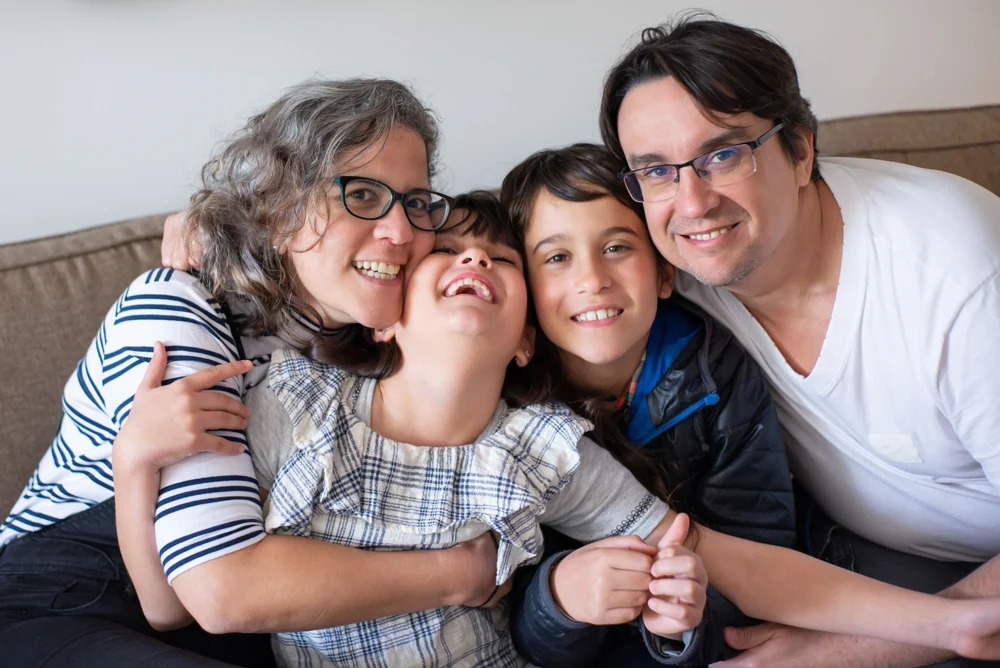 Privacy & family choices
A family membership keeps records and permissions separate. Sharing a membership does not automatically share health information.
 Security & access
Access depends on the person's identity, role and current permission for the information they need.
 Hosting & data location
Read how health records are stored and how connected services process information. Review the choices available to you.
Responsible AI & clinical reviewReturn to the report behind an explanation and raise questions when something is unclear.
 Governance & partner boundaries
You approve relevant sharing and care requests. Qualified professionals make clinical decisions; partners confirm their services.
 Data protection & your rights
Request access, a copy, a correction or deletion through a verified process, with the applicable response times explained.
 Cybersecurity & response
Find a clear route to report a privacy, security or product issue and ask for it to be reviewed.
Explore Afiyah
Take a closer look at the features that support your health, wellbeing and care.
 Meet Sanad
Understand, plan and follow through with your AI companion.
Meet Sanad Records & lab results
Keep documents together and understand the information inside them.
Explore records and results Appointments & follow-up
Prepare a clinic or video visit with the right information.
Explore appointments Medicine & home delivery
Keep prescription information, approved requests and follow-up together.
Explore medication support Insurance & coverage
Keep authorised requests, documents and insurer responses in view.
Explore insurance support Wellness plans & Moments
Build a practical routine and find a short activity for your day.
Explore wellness plans Wellbeing & check-ins
Reflect on how you feel and find support that fits.
Explore check-ins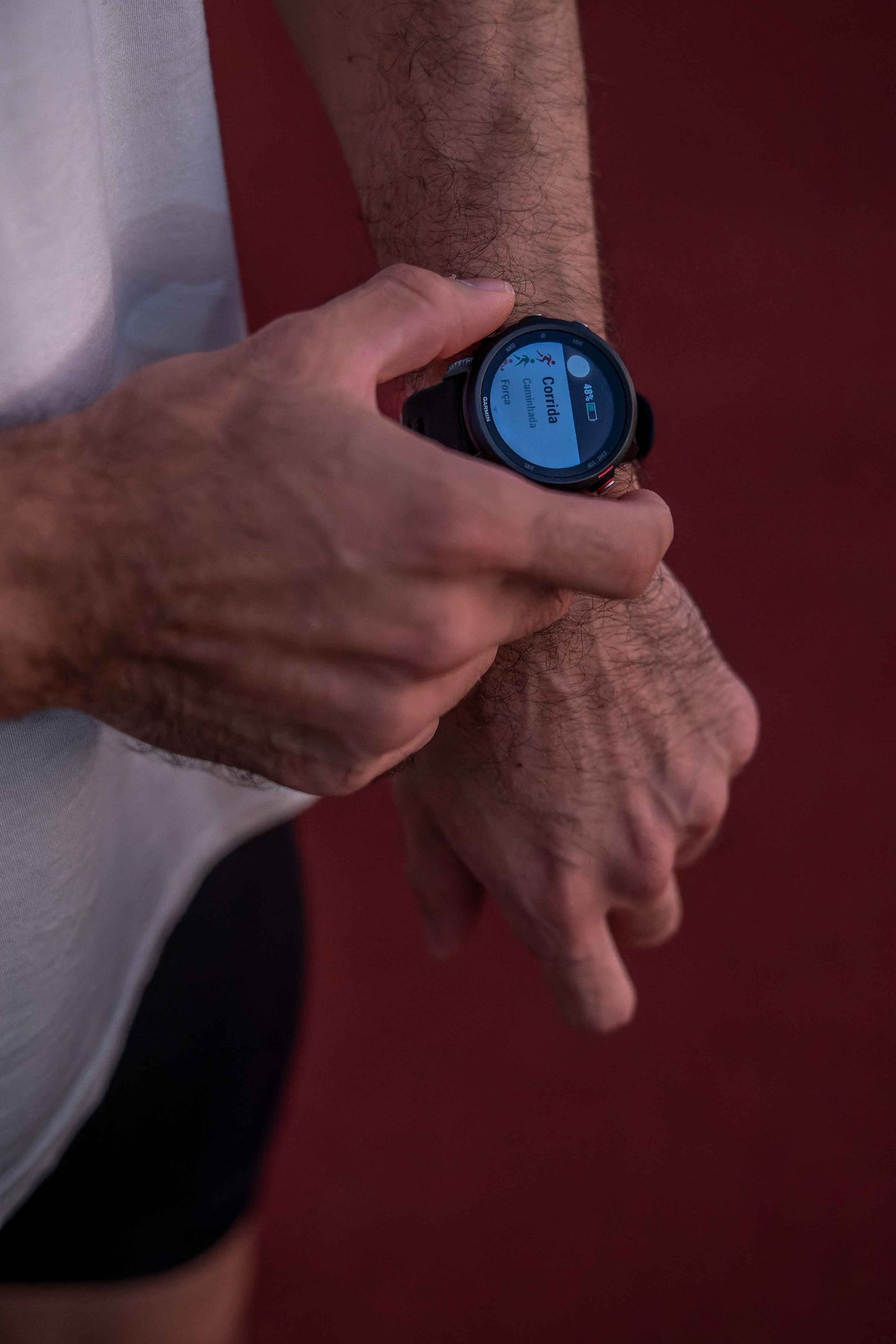 Devices & vitals
Review supported readings alongside your daily life.
Explore connected devices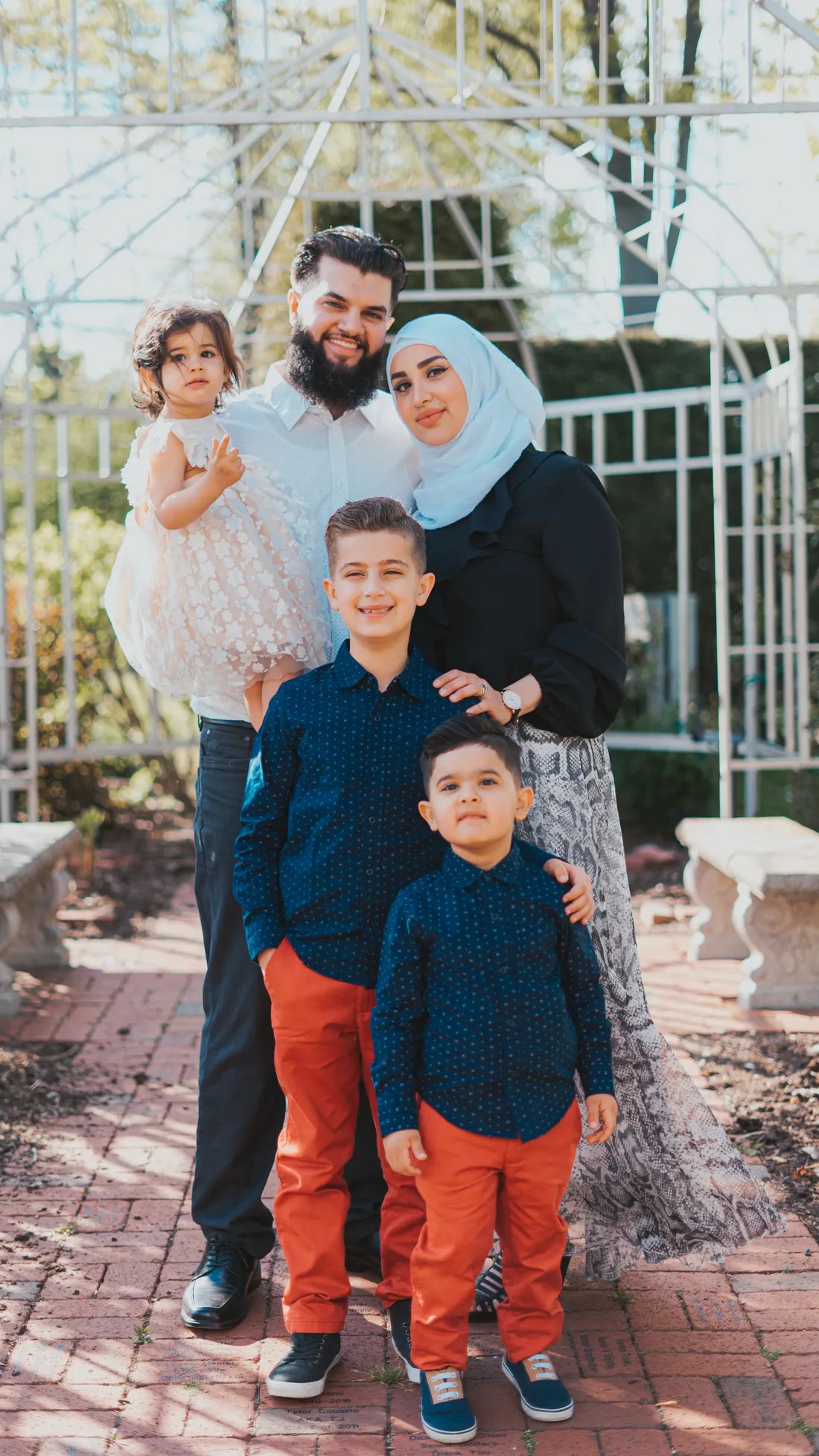 Family & caregivers
Help loved ones while keeping each person's information separate.
Explore family support Pulse Analytics & partners
Connect patient journeys, reporting and management priorities.
Explore partner solutions
Family health
Help the people you love keep track of records, appointments and follow-up, with separate profiles and sharing permissions that respect each person's privacy.
Explore family support